Therapy Office Decor: Create a Calm and Welcoming Space
TherapyAppointment • Published on December 8, 2025
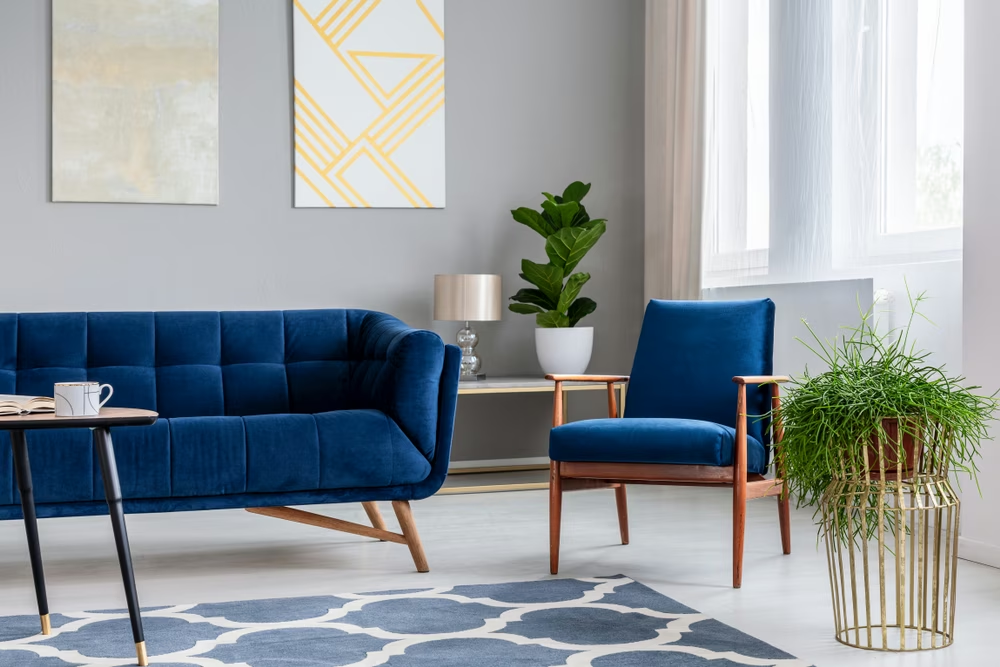
Long before a client answers your first question or settles into the chair, your space has already introduced you. It shows how you work, what you value, and how you care for the people who sit with you.
That’s why a therapy office refresh is not about decoration. It’s about intention. You’re creating a space that helps clients breathe a little deeper and helps you feel ready to meet them where they are.
Begin with how you want the room to feel
Most design articles start with furniture. As therapists, we start with feeling. Ask yourself a simple question: When a client walks in, what do you want their nervous system to do?
Slow down.
Open up.
Settle in.
Once you know the answer, your choices become clearer. Soft lighting encourages calm. A grounded color palette creates steadiness. Comfortable seating signals that this is a place where clients can take their time.
Add warmth in ways clients actually notice
You’re designing an emotional experience, not just a room. Many therapists worry they need a perfect space before they can call it welcoming. Not true. A few thoughtful touches do more than a complete redesign ever will.
Changes you can make right away:
- a plant that looks truly alive
- a soft texture clients can reach for without feeling self conscious
- art that reflects compassion rather than perfection
People often notice these elements before anything else. They tell your clients that this is a room designed for real humans and real conversations.
Keep clutter out of the story
Clutter has a way of talking over you. Even small piles of paper or overflowing bookshelves pull attention away from the work. When the room feels crowded, clients feel crowded. When it feels clear, they can focus.
This is why many people search for terms like minimalist therapy room ideas and peaceful therapy office. They want a space that gives breathing room. You can create that by editing rather than adding.
Easy ways to declutter your office space:
- A closed storage cabinet for notes, files, or therapy tools
- Simple floating shelves with just a few meaningful books
- A woven basket for tissues, hand sanitizer, or session materials
- A small tray on your desk to keep items contained
- Hidden cord organizers so technology does not visually intrude
Include personal touches with intention
Your office should reflect your humanity without turning into a display case. One or two personal items can help clients understand your style and your grounding without distracting from the work.
Consider adding a piece of art that represents resilience or a book cover that quietly signals your approach to healing. These choices help clients understand that the space has meaning, which makes them feel that they matter too.
Think about the room as a partner in your clinical flow
A therapy office is not only seen, it’s navigated. Where you sit, how clients enter, and what is within reach all influence the tone of a session. A few small adjustments can make the room work with you rather than against you.
Think about how clients will move as they settle in. Are there ways you can adjust the room to reduce tension and prevent awkwardness? For example, angle your chairs slightly toward each other so the conversation feels natural instead of confrontational. This simple change softens the energy in the room and helps reduce emotional friction.
Sound shapes the experience more than people expect
Most people don’t take into account that sound matters as much as lighting. A room can look beautiful and still feel exposed if sound carries.
You don’t need expensive soundproofing to improve the acoustics of your office. A quiet fan, white noise machine, or gentle ambient sound can help clients feel protected. It signals that their words stay in the room.
A refreshed space can refresh your practice
One thing therapists often tell us is that updating their office changed the way they showed up in their work. They felt more grounded, present, and aligned with the kind of therapist they want to be.
When the room feels good, the work feels different.